
My Polish Passport
And the new unease for American Jews

My great aunt, Bella Ressler, died last October. She was 95, loving and headstrong for almost ten decades.
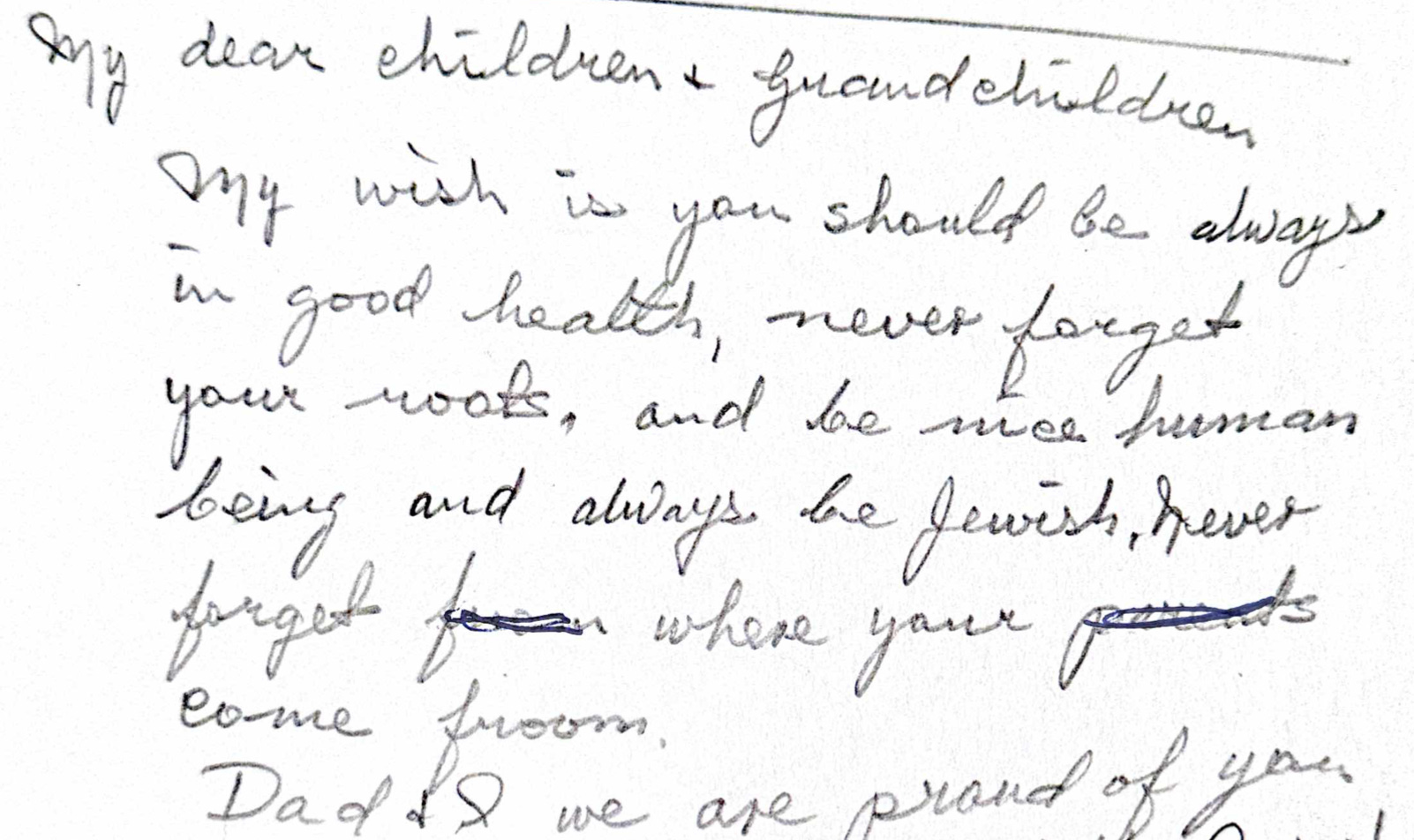
A few weeks after her funeral, my cousins found a letter tucked away in her house that recounted her experience as a girl in Europe. She concluded her testimony with grace and strength, with deep love and a foreboding air:
My dear children & grandchildren my wish is you should be always in good health, never forget your roots, and be nice human being and always be Jewish. Never forget where you come from. Dad & I we are proud of you.
Tellingly, her initial thought was, ‘never forget where your parents came from.’ But then she struck out the word ‘parents’.
Perhaps she was recalling Passover liturgy: “In every generation, a person must see themselves as if they came out of Egypt.”
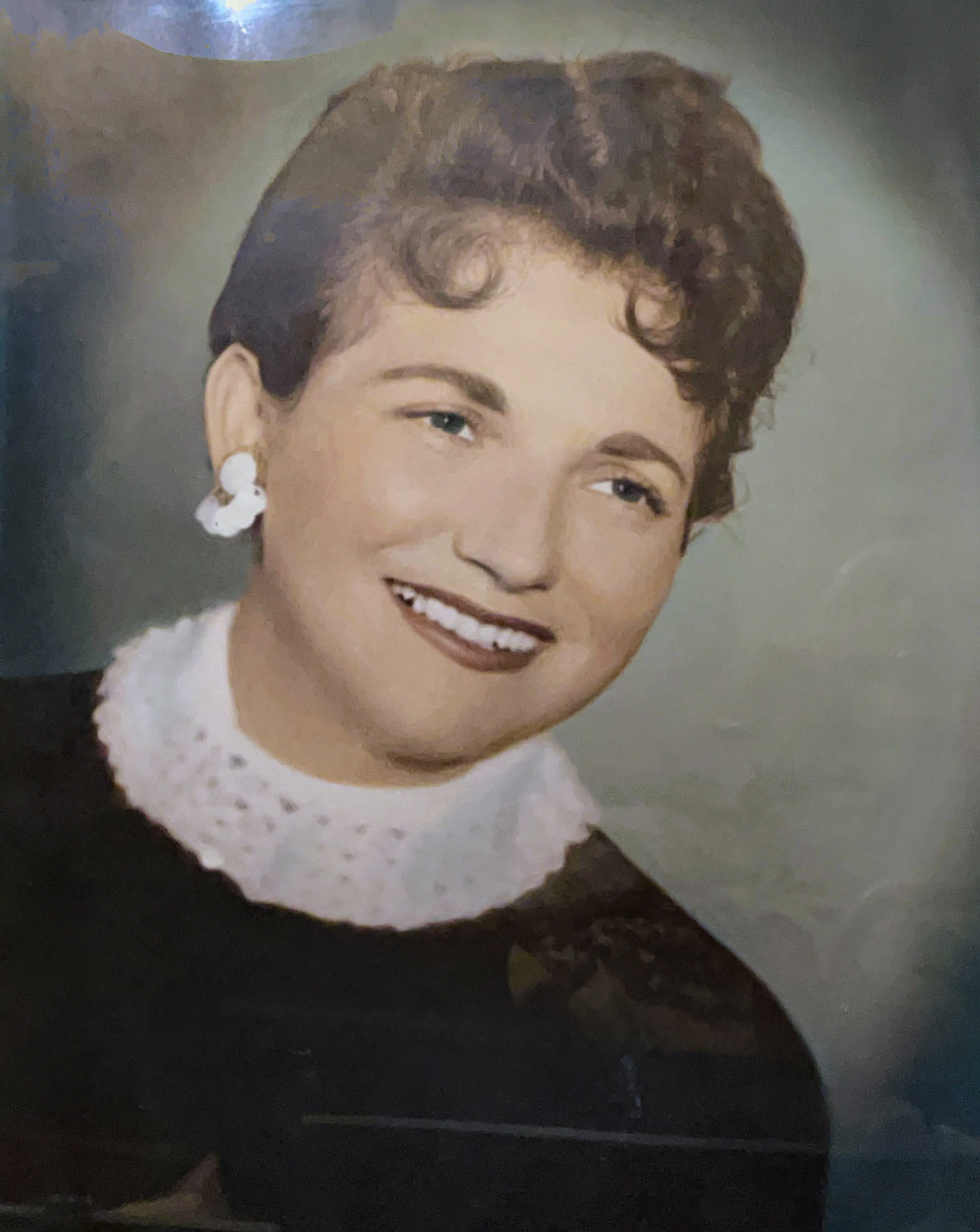
Bella was a sharp dresser and a direct talker — she would acknowledge tragedy, but never sentimentalize it. Almost twenty years ago, she stood beside me at my mother’s gravesite, and looking straight ahead, she said, “You have to live your life.”
When Bella was a young teenager in Nowe-Miasto, Poland, she and her family, regular common folk townspeople, were abducted and later sent by rail to Auschwitz. Bella and my grandmother Sima somehow lived there for two years. Their parents, four other siblings, grandparents, and aunts and uncles and cousins were all murdered.
After their liberation, listless and stunned by their improbable survival, Bella and Sima returned to their hometown only to find their family’s house razed. The locals greeted the refugees with hurled stones. They said, “Your place is on the cemetery.” Bella and Sima eventually found their way to a displaced persons camp in Backnang, Germany run by the Allies. Sima met her husband there, my grandfather Mosze Schwarzman. After two years of statelessness, they secured visas with help from family members in the USA, and here I am 80 years later typing ode after ode to a German composer on my supercomputer.
Bella and Sima never thought of themselves as Polish — more so Jews who lived in Poland. The sisters and Mosze arrived in New York with nothing to their name but their immigration papers, a heavy blanket, and unimaginable trauma.
Sima became ‘Selma’ and Mosze became ‘Morris’, and over the decades they made a living in an adopted homeland. My mother and aunt and uncle lived above their parents’ corner store, and sold newspapers, egg creams, and breakfast to Long Island commuters. Morris invested their savings in AT&T stock, saying ‘everybody needs a telephone.’ They lived upwardly-mobile, middle-class lives in secularized American Jewish communities.
Bella married Murray Ressler, another Polish refugee, who earned a Purple Heart as a U.S. Marine in Korea. None of them had any desire to go back to Europe after the war. It was anathema to them, a place they left.
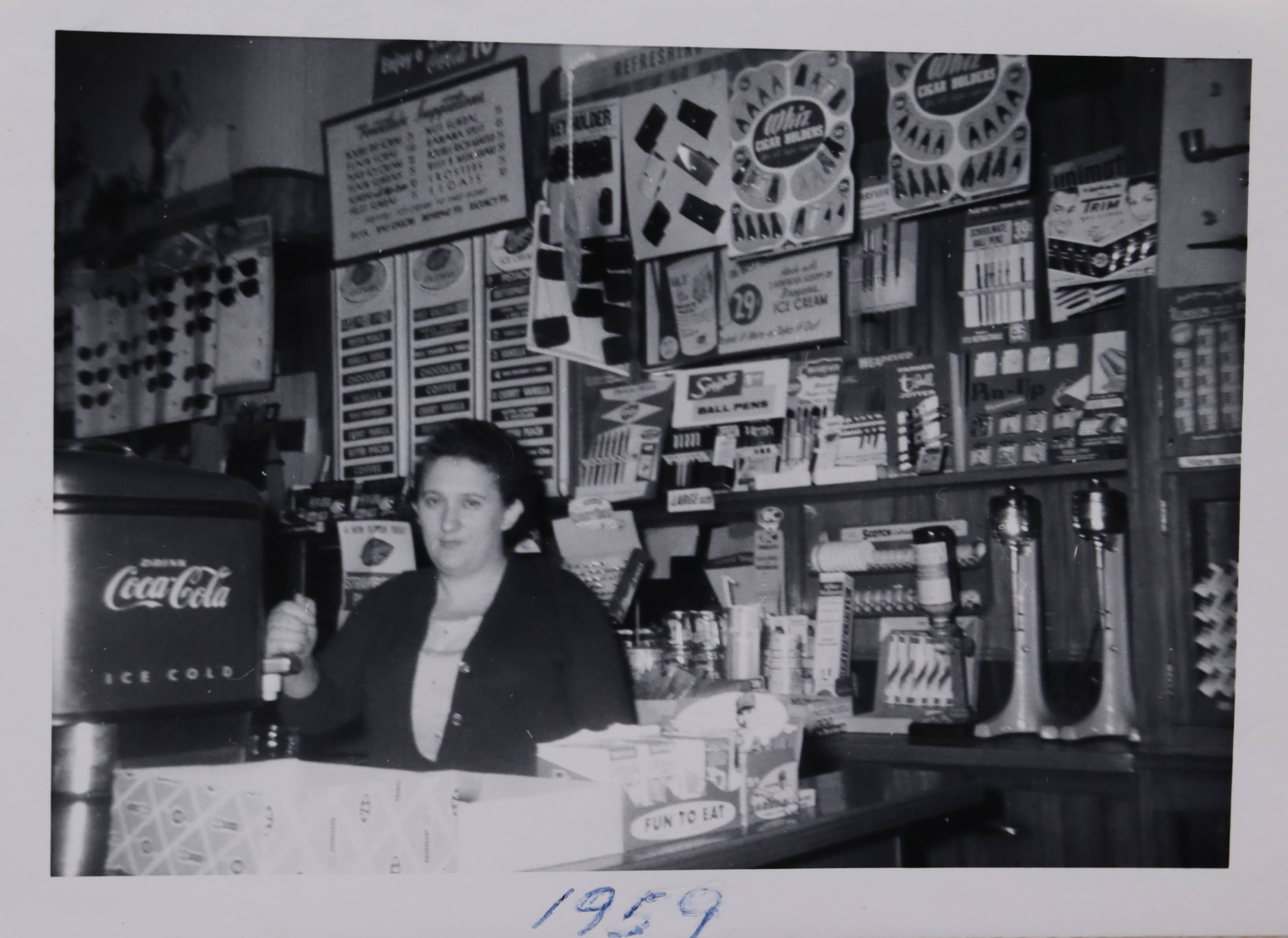
Bella was my family’s last living connection to the old world. She died amid the fracture of our liberal order, the West’s implicit promises deteriorating.
Could the vibes be any worse for Jews in America? A synagogue torched in Mississippi. Jews shot to death in Washington, D.C., burnt alive in Colorado, and blocked from accessing university libraries in California. Hate crimes against Jews at a record high. The current president socializes with proud anti-Semites and Holocaust deniers and has said that if Jews vote for Democrats, it shows a “great disloyalty.” The Golden Era of American Jews is over.
Meanwhile, I pay a ‘security fee’ every year to fund my synagogue’s armed, private police force that aspires to safeguard its congregants from mass murder. It’s a justified expense — we’re just trying to avert the fate of our brethren in Michigan, Pennsylvania, Florida, and Texas (and on and on).
While I don’t think American death camps are around the corner, extremely bad outcomes for my people feel off the zero bound in a way that is profoundly foreign to how I experienced the 1980’s suburban New Jersey of my youth.
For those Jews who found a way to leave Europe before the killings started in earnest, the price they paid for a visa was typically everything they owned, signed over to the Nazis and their collaborators in exchange for their lives. What might have happened if my ancestors had had another country look after them as their own?
Around the time of the Charlottesville tiki torch test-run, I began researching Polish citizenship laws. I told my relatives about our qualifications with some optimism, and I was met with confusion, dismissiveness, and some derision. But they eventually helped me gather documents: my grandparents’ affidavits attesting to their identities in the DP camp, their German marriage certificate, their American immigration cards and citizenship papers, the birth certificate of my mother, my parents’ marriage certificate, and lastly my birth certificate.
I experienced the absurdity of paying to translate these documents into the official language of a state that utterly failed my family.
And thus I applied for Polish citizenship jus sanguinis (by blood). With renewed calls for “blood and soil,” in my home country, I would claim what was legally mine in the land of my family’s slaughter.
My grandparents were motivated by something to survive all their horrors. Genuine religious faith helped, but they maintained an unnameable dream of repair. In a complicated way, my existence partially redeemed their suffering, and they showered me and their five other grandchildren with blessings.
The psychological burden of their tragic stories has carried through the generations. Survivor guilt hit my mother much worse, but I inherited an Olympic-level startle response. And since I was a boy, the voice inside me has been incessant: Have I held up my end of the bargain? At 21, when I visited the Western Wall, a second question came unbidden and with a force I’ve never experienced before or since: Why is it me in Jerusalem, and not any of them?
I was raised to be an American Jew and not a refugee by proxy, but my family’s history has kept me hyper-vigilant to what’s always lurking around the corner. For me more than my peers, it feels like the 1930’s just happened, and the signs that others dismiss as noise sound to me like ringing klaxons.
Was this quest for Polish citizenship a betrayal of my grandparents’ gift of America? My paranoia is either a second betrayal or my most valuable inheritance.
After years of trans-Atlantic paper trading, I received notice from Warsaw that I am a confirmed Polish citizen. My passport just arrived:
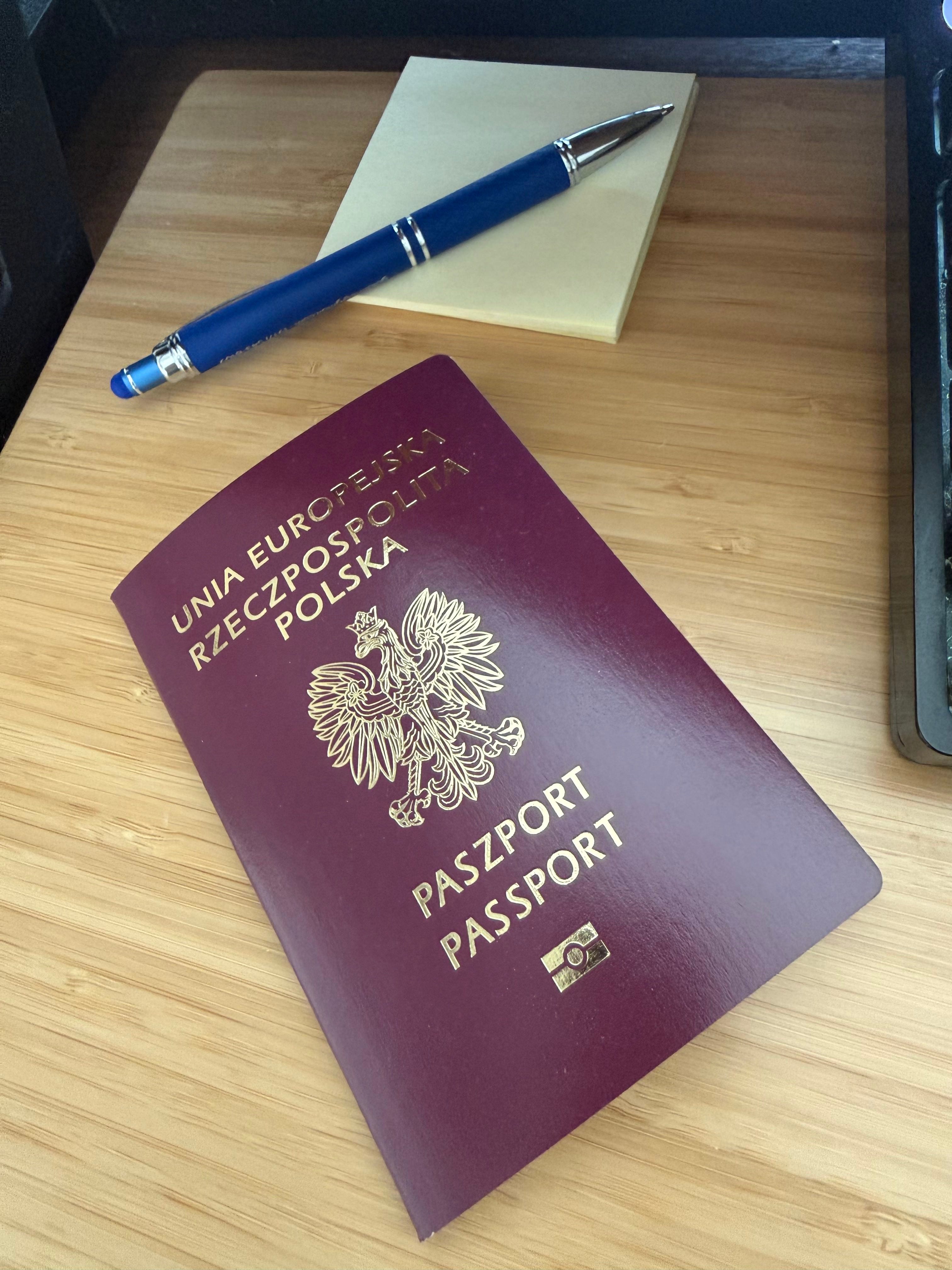
There is no current ‘plan’. But if it all hits the fan in the USA, and the EU somehow survives through a true American descent, my children and theirs could become legal residents in any European country that then seemed more hospitable to Jews. In theory, they’d find their way to the Polish consulate in New York and benefit from a foreign government that would insist upon protection of their bodies and possessions, wherever they were threatened. These passports are cheap insurance, and I’m just the conduit for this gift from my grandparents to descendants I won’t know.
I have no greater hope for my children and theirs that my eight-year passport goose chase was a frivolous waste of my time and money, and that their Polish citizenships become barely interesting cocktail party chatter.
But.
The cycle between acceptance and exile of Jews among the gentiles in power is as old as the Hebrews. The odds are poor that things stay peachy into the indefinite future.
Bella knew that, of course. As she told me, I have to live my life.
In case my descendants ever find their second set of papers useful, they could ask their robot assistant about their great-great-grandpa Evan, the third generation American Jew with the random Welsh first name, who felt the weight of the bloody past as his eyes were fixed on an unsteady future.
May it be that the times in which we live are a small rise into the extremes humans have been known to go to, and that a return to knowing good, wonder, and awe return in full force.
I came to your blog because of music. Perhaps it's what is in the music which we, and survivors of unspeakable traumas, live for. Deep beauty, some resonance of what it means to be fully alive. Live your life.
Thank you for your moving piece.
Moving and touching. Thank you for sharing this